Thank you to all who came to our CDA-1 conference – over the two days, we experienced the value in bringing people together to share experiences, identify priorities and to move forward with practical solutions that can help improve the lives of people living with rare inherited anaemias. Below is a summary of what was covered over the weekend. If you have any other feedback, do get in touch by emailing us.
Understanding the Healthcare Landscape
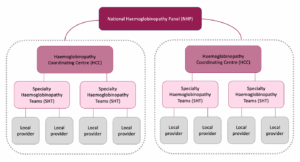
CAN Chair of Trustees, Noemi Roy, guided attendees through the organisational structure linking local hospitals, Specialist Haemoglobinopathy Teams (SHTs), and Haemoglobinopathy Coordinating Centres (HCCs). This sparked conversations about how patients can get involved in campaigning and, more practically, how understanding this structure gives patients the knowledge to ask their local healthcare team whether they’ve been in touch with regional centres that specialise in rare haematological diseases.
What we wish we had known earlier
- A recurring theme was the importance of meeting someone else who has your condition. The Sickle Cell Society model came up as an example, where they have paid mentors who can provide support and who themselves have access to additional resources.
- There was enthusiasm for creating a timeline showing how treatment for these conditions has evolved – not to make people feel they should be grateful for their diagnosis, but to acknowledge that genuinely, some things have improved over time.
- AI tools were explored for generating questions to ask at appointments (while being mindful about reliability). This led to the idea that CAN might develop a chatbot interface, which could work better than a static FAQ list for helping people find answers.
The challenge of diagnosis and transition
- Do we know all of the patients with CDA in the UK; probably only 10% of them
- Transition from paediatric to adult services
- While an individual’s rare condition is uncommon, rare conditions collectively are not – there is significant overlap in how different rare conditions are managed
Making healthcare work better
- What questions should be asked at appointments
- Ensuring the existing SHT structure works effectively
- Could a postcode finder tool be developed to show different levels of care in particular geographical areas
Treatment and patient experience
- Could a patient experience app be developed that covers general treatments not just blood transfusions
Practical life challenges
- A session on what to take when travelling anywhere and managing expectations at your final destination – e.g. will there be a fridge for your medication?
- Is there an equivalent to ‘reasonable adjustments’ for long-term condition within employment?
Benefits and support
Attendees watched a video about Personal Independence Payment) and CAN’s Benefit Advice Service.
How CAN supports patients
- Supporting conferences such as this one
- Patient leaflets
- Family events
- Practical support e.g. dosette boxes for medication
- New materials are being developed
Understanding and managing fatigue
- Focus on The Aplastic Anaemia Trust’s Managing Fatigue webinar
which includes a framework for thinking about energy management - Edward Hibbert, CAN Trustee, is producing an online ‘rest map’ – the initial version of this is here.
Research on fatigue and pain
Key points to consider around future research:
- what kind of interventions make a difference
- how to measure pain – subjectivity and ‘levels of pain’ scales
- patient numbers for significance